
I’ve been living in the United States for ten years now, but the questions in my inbox remain surprisingly consistent. Whether you’re heading to New York City for the first time or planning a road trip through the Deep South, there are a few things you really need to know before you leave.
Here are the 10 most frequently asked questions for a trip to the USA:
- 1. Do I have to tip in the USA?
- 2. Why is the price at the register higher than on the price tag?
- 3. Do I need a travel adapter in the USA?
- 4. What about American dining habits?
- 5. What is an ESTA and how do I get one?
- 6. Do I need an international driver's permit in the USA?
- 7. Is a credit card really mandatory?
- 8. Fahrenheit, miles, and gallons: how do I convert them?
- 9. Are the National Parks free?
- 10. When are the public holidays?
- Bonus: My 3 favorite stops in my ‘backyard’ (Northern Virginia)
1. Do I have to tip in the USA?
Have to? No, but it is highly expected. So the short answer is: Yes! While it’s not officially mandatory, it is the social and economic norm. In the American hospitality industry, the base wage is often very low, and staff rely on tips to make a living.
How much should you tip?
Nowadays, 20% to 25% is the standard in cities and good restaurants. Tipping 15% is often seen as a sign that the service was subpar.
Who do you tip?
A tip is expected for almost every service provided. This includes hairdressers (20%), taxi drivers (15-20%), the hotel porter ($1-2 per bag), hotel housekeeping ($3-5 per night), and even the gas station attendant ($1-2).
New Jersey is currently the only state where it’s still illegal to pump your own gas. Luckily, New Jersey is also one of the cheapest states for gas, so you can easily spare that extra tip. This is one of the main reasons I always keep $1 bills in my wallet. I pay for almost everything by card, but I prefer to hand out small tips in cash.
Check the bill carefully.
For larger groups (usually 6 people or more), the tip is sometimes automatically included as a ‘Gratuity’ or ‘Service Charge’. This is also becoming more common in highly touristic cities. Always double-check your receipt!
Coffee shops and takeout.

At places like Starbucks or McDonald’s, you might see a tip jar next to the register or a digital screen with tipping options. Tipping here is optional, not ‘mandatory,’ though a little extra is always appreciated.
There is a growing debate among Americans about these digital tipping screens, with many claiming they create unnecessary pressure. Just do what feels right to you.
Tipping with a credit card? How does that work?
You can simply write the tip amount on the (paper) receipt and pay with your credit card. When you pay by card in a restaurant, the server will first take your card to pre-authorize the total amount. They will then return with your card and the receipts.
You will see two copies of the receipt: one for the merchant and one for you. Both have a blank line for you to write down the tip. The math for 18% – 20% – 25% is often already calculated for you at the bottom. Just fill in the amount, and it will be processed later along with your total bill. (You don’t need to hand your card back to the server.)

TIP: Are you, like me, terrible at math and easily stressed out by calculating percentages? Or what if you want to split the bill with several people? Use this app: Tip N Split!
Splitting the bill
Did you know that in most American restaurants, you can easily split the bill if everyone pays with a credit card? Simply hand all the cards to the server, and they will return with separate receipts for each card. You can then individually decide how much tip to add to your own slip.
2. Why is the price at the register higher than on the price tag?
In the US, prices in stores are almost always exclusive of Sales Tax. The tax is only added at checkout. In New York City, for example, it’s about 8.875%. I am seeing more signs next to items lately that say “You pay $x”, meaning the store has already done the math for you.

3. Do I need a travel adapter in the USA?

Yes, the United States uses type A and B plugs (two flat pins), and the voltage is lower (120V). Most modern chargers for phones, cameras, tablets, and laptops are ‘dual voltage’ and work perfectly fine with a simple travel adapter.
Please note: Appliances with a motor or heating element (like your favorite hairdryer or curling iron) often don’t survive the trip overseas or perform very poorly. It’s better to buy those locally.
Fun Fact: For our move to the US, it meant I sadly had to say goodbye to my hairdryer, electric toothbrush, and lamps. My husband, on the other hand, just bought a new PlayStation and espresso machine.
4. What about American dining habits?
Weird combinations
Chicken & Waffles, a Reuben Sandwich (corned beef, cheese, and sauerkraut), dipping fries in a milkshake, raw cookie dough (available in every supermarket’s fridge section), salty popcorn with warm melted butter, sweet potatoes with marshmallows…
You name it, and they probably eat it in the States. But hey: “Don’t judge till you try it!” The combinations might sound bizarre, but they are often surprisingly delicious.
Free water
Every restaurant serves tap water by default. For free! Didn’t get water? There’s probably a designated station with glasses where you can pour it yourself.

Ice ice baby
Americans love ice, and lots of it! Sometimes I wonder if there’s more ice than actual drink in my glass. Now that I live in the US, I’m used to it, and I actually find it weird when there are only a few lonely cubes floating in my drink. Not a fan of ice? Make sure to tell your server before you order your soda!
Free Refills
There are many places where you pay once for a drink and get unlimited free refills:
Ice Tea vs. Iced Tea: what’s the difference?
If you order Iced Tea, you’ll usually get freshly brewed green or black iced tea. Depending on the region, the tea might already be sweetened. Always specify if you want Sweet Tea or Unsweetened Tea. You won’t find the typical sparkling, sugary Lipton Ice Tea common in Europe here—Americans aren’t fans of carbonated iced tea.
Sharing is caring

an American chain
Portions are often massive. It’s entirely normal to split a main course (“Two spoons for the dessert, please”) or to ask for a box to take your leftovers home (“Can I get a container for this?”). Just don’t call it a ‘doggy bag’.
Often, the server will bring empty plates to the table right away because they assume you’ll be sharing your meals.
An ‘Entrée’ is not a starter
One of the most confusing words on an American menu for Europeans is ‘Entrée’. This does not mean the first course! The first course is usually listed as ‘Starters’. An ‘Entrée’ is actually the main course. Some restaurants make it easier and simply call it ‘Main Course’.
5. What is an ESTA and how do I get one?
Besides your passport, you won’t even be allowed on the plane without an ESTA. ESTA stands for Electronic System for Travel Authorization, which is the official USA travel clearance. The ESTA is designed for tourists visiting the United States for a vacation or a business trip lasting no longer than 90 days. If you plan to stay longer or work in the US, you will need a specific visa.

How does the ESTA check work upon arrival?
Depending on your departure airport, your first screening might happen before you even take off. Some international airports (like Dublin and Shannon in Ireland, among others) have a ‘pre-clearance’ agreement with the US. You will be asked questions like: “Did you pack your own bags?”, “Where are you staying?”, “How long are you staying?”, or “Are you carrying any food?”.
If your departure airport doesn’t have pre-clearance, you’ll go through this process upon landing in the US.
First, you’ll head to Border Control, where you’ll present your passport and they will scan your fingerprints and face. A word of advice: don’t crack jokes with the border officers; they take their jobs very seriously.

After border control, you’ll pick up your luggage and proceed to customs. If you have nothing to declare, you can usually just walk through. Sometimes, they will pull you aside for a random baggage check. It’s also possible your bag was inspected before it hit the carousel—if so, you’ll find a notice inside your suitcase. By the way, always use a TSA-approved lock on your luggage (most modern suitcases have these built-in).
If you didn’t go through pre-clearance, you might need to fill out a customs declaration form (CBP-declaration form). Flight attendants usually hand these out before landing, though nowadays, you can often fill it out digitally via an app while still on the plane. Important: you will need to provide the exact address of where you are staying, so keep that handy!
6. Do I need an international driver’s permit in the USA?

For a standard rental car, your regular driver’s license (like a European license) is usually perfectly fine in most states. However, rental companies and insurance agencies often highly recommend getting an International Driving Permit to avoid any language barriers during police checks. This is especially important if you are renting an RV or a camper van. Always carry both licenses with you!
Don’t forget your ID!
While American teens can get behind the wheel at 16, they have to wait until they are 21 to have their first beer. If you’re going out, always bring your ID (in the US, they usually ask for your driver’s license). You’ll also need to show it almost every time you buy alcohol at a store. Even though it can be annoying, I take it as a compliment that I still get carded!
7. Is a credit card really mandatory?
Indispensable! You can hardly survive in The United States without one. You need it for hotel deposits, booking tours, and renting cars. Gas stations will also temporarily hold a certain amount on your card when you pump gas. While contactless/mobile pay is available almost everywhere now, having a physical credit card (not a prepaid one!) is crucial.
What about cash?
Even though you can pay by card almost everywhere, it’s smart to bring a little cash as a backup. As mentioned earlier, $1 bills are incredibly handy for tipping.

In the US, bills come in $1, $5, $10, $20, $50, and $100. There is also a rare $2 bill and a $1 coin, though you won’t see them often. Be careful when handing over cash: unlike the colorful currencies in Europe or other parts of the world, all American bills are the same green color and roughly the same size! Coins come in 1 cent (a penny), 5 cents (a nickel), 10 cents (a dime), and 25 cents (a quarter).
8. Fahrenheit, miles, and gallons: how do I convert them?

The United States fiercely holds onto its own imperial system. Distances, weights, and temperatures are all expressed differently.
A quick trick for temperature: Subtract 30 from the Fahrenheit number and divide by 2.
(Example: 80°F – 30 = 50. 50 / 2 = 25°C. It’s not exact, but it gives you a very close estimate!)
USA weather in a nutshell.

The northern states experience four distinct seasons, but more extreme than in Western Europe: winters bring heavy snow and freezing temps, while summers can be scorching hot. The East Coast is often very humid, whereas the inland states are much drier. In the South (like Florida), the climate is subtropical with warm, dry winters—just keep hurricane and tornado seasons in mind! The West Coast stays relatively warm year-round, though the Pacific Ocean can cause temperatures to drop sharply at night. The air there is much drier (which unfortunately fuels the wildfires in California).
Distance: 1 mile = approx. 1.6 kilometers.
Attention! If your road trip takes you across the border into Canada, you’ll suddenly switch back to the metric system. The speed limit signs will change from miles to kilometers!
1 gallon = 3.78 liters.
Especially useful to know at the gas station.
9. Are the National Parks free?
Some smaller parks are free, but the big names (like Yellowstone, Yosemite, or the Grand Canyon) charge an entrance fee per vehicle. Did you know that besides nature reserves, many historical sites and monuments are also managed by the National Park Service?
Read my comprehensive guide to the America the Beautiful Pass here.

Good to know: In addition to National Parks, there are many incredible State Parks. The America the Beautiful Pass does not cover these, and they often charge their own entrance fee per vehicle. Usually, you only have to pay during the peak season, between Memorial Day (last Monday of May) and Labor Day (first Monday of September).
10. When are the public holidays?
Compared to Europe, Americans have far fewer public holidays (or ‘Bank Holidays’). Especially in larger cities, anything that isn’t a government office generally stays open on a holiday. 24-hour stores might close a few hours early at most, and restaurants remain fully operational.
Banks, post offices, and museums will usually be closed. As a traveler, you won’t feel restricted at all.
Since most Americans receive very few paid vacation days per year, they take full advantage of public holidays, making long weekends extremely popular.
Holidays like Memorial Day and Labor Day are among the busiest travel weekends of the year.
But the absolute busiest holiday of the year is Thanksgiving. On this Thursday, almost everything (including stores) is closed, but the very next day (Black Friday) is absolute madness in the malls! Expect heavy traffic on the roads during this entire period.
Do you have any other questions about traveling in the US?
Feel free to ask them below or contact me personally!
P.S.: Don’t forget to check out my bonus below with my 3 favorite stops!

Bonus: My 3 favorite stops in my ‘backyard’ (Northern Virginia)
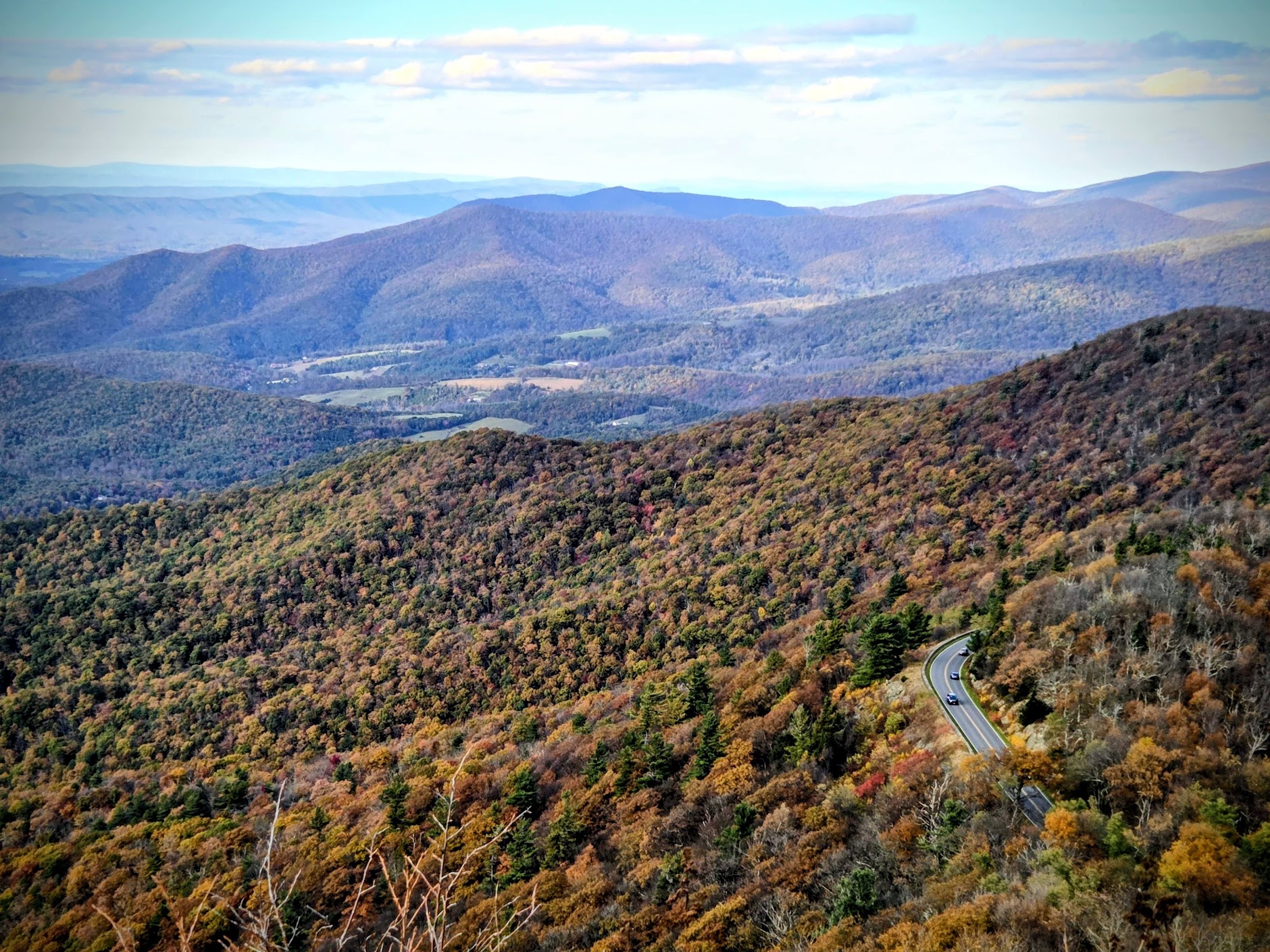
Since I’ve been living in Leesburg, Virginia for a while now, I’m increasingly asked: “Davina, we’re near Washington D.C., what should we definitely not miss?” While the capital is stunning, I highly recommend leaving the city behind to discover Northern Virginia.
Here are my three personal favorites (tested and approved by my 2 and 5-year-old!):
🍺🍕Dirt Farm Brewery (Bluemont): For the best views over Loudoun Valley. While the kids run around on the massive lawn or play in the huge sandbox, we enjoy a local craft beer and a pizza. During weekends they have a foodtruck with a seasonal menu. But they also have special events. We love going when the folks of Nomini Bay Oysters are present. Those oysters are absolutely delicious and taste even better with a beautiful sunset.

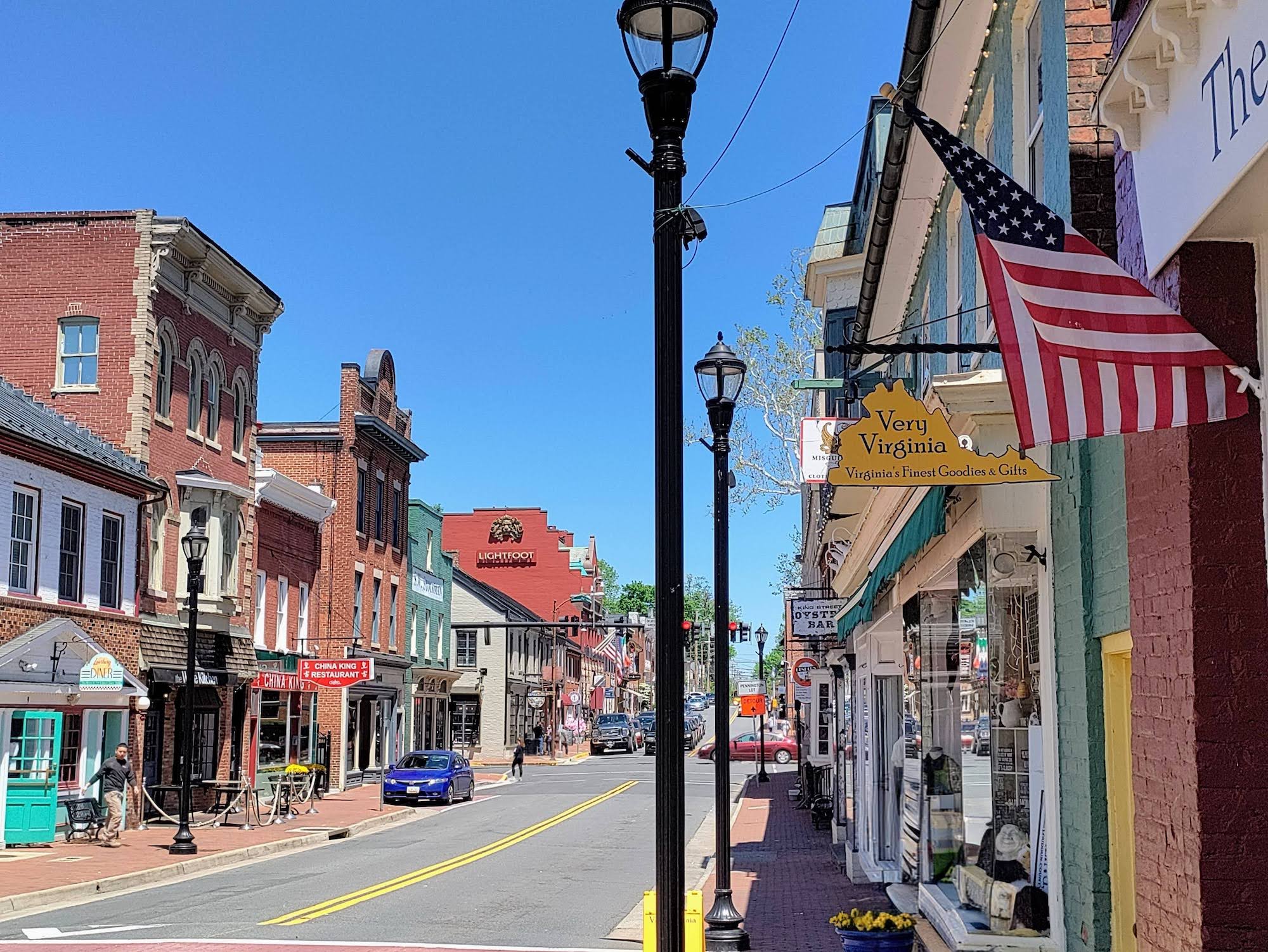
🏘 Downtown Leesburg: A historic gem with red brick buildings, local coffee shops, and cute boutiques. It almost feels European, but with that typical American hospitality.

🏞 Great Falls Park: Only a half-hour drive away, you’ll find these impressive waterfalls. There are easy hiking trails that are perfect for kids, and the power of the Potomac River never fails to impress.